
If you opened my tea cabinet right now, you’d find a handful of herbs that I reach for over and over again.
Not because they promise dramatic results overnight. Not because they require a complicated protocol. They’re there because they are practical, dependable, and easy to weave into real life.
Red raspberry leaf is one of those herbs.
While many people know red raspberry leaf as “that pregnancy tea,” herbalists have worked with this plant for much more than pregnancy alone. It is one of those steady, useful herbs that doesn’t need much fanfare. It simply earns its place on the shelf.
Kind of like the friend who always brings snacks and somehow remembers everyone’s birthday.
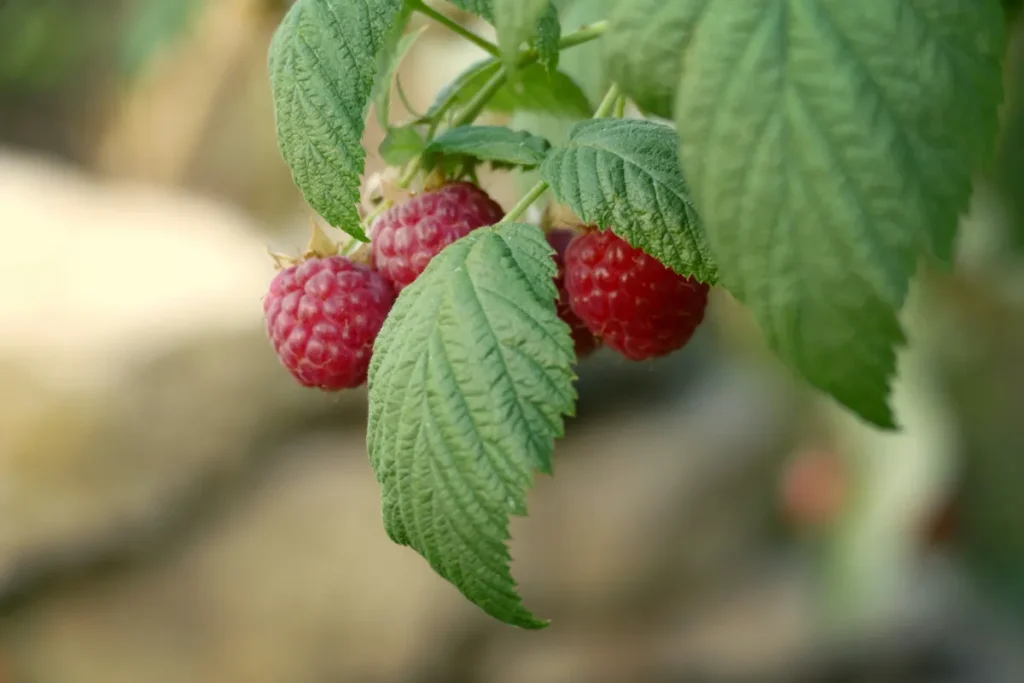
What Is Red Raspberry Leaf?
Red raspberry leaf comes from the same plant that produces red raspberries, Rubus idaeus.
While the berries usually get all the attention, the leaves have a long history of use in traditional herbalism. The flavor is mild, slightly earthy, and easy to drink, which makes it a good herb for people who are newer to herbal teas.
Unlike some herbs that taste like they are trying to teach you a lesson, red raspberry leaf is generally pleasant and approachable.
What Makes Red Raspberry Leaf Useful?
Red raspberry leaf is commonly described by herbalists as both an astringent and nutritive herb.
That means two important things.
First, as an astringent herb, red raspberry leaf is traditionally used to tone and tighten tissues. Astringent herbs are often used when tissues feel lax, boggy, irritated, or overly moist. This is why red raspberry leaf has traditionally been used in situations involving excess discharge, loose stools, mouth and throat irritation, and other tissue states where gentle toning may be helpful.
Second, it is considered a nutritive herb, meaning herbalists often value it as part of a nourishing daily tea or infusion. It is frequently blended with other mineral-rich herbs like nettle, oatstraw, and red clover.
This combination of toning and nourishment is one reason red raspberry leaf has remained so popular for generations.
Traditional Uses of Red Raspberry Leaf
Red raspberry leaf is probably best known for its traditional use in women’s wellness, especially during pregnancy and in preparation for labor.
It has also been used by herbalists to support menstrual comfort, especially for those who experience occasional cramping during their monthly cycle.
But red raspberry leaf is not only a “pregnancy herb.”
Traditionally, herbalists have also worked with it for:
- Occasional loose stools
- Mouth and throat irritation
- Excess mucus or watery discharge
- General tissue tone
- Nourishing herbal infusions
- Women’s wellness support
Herbalist Matthew Wood has written about red raspberry leaf as a useful herb when there is a lot of clear, watery mucus from the upper respiratory tract. That fits with its astringent nature: it helps bring tone back to tissues that are overly loose or weepy.
This is where herbalism gets practical. Sometimes an herb is not used because it is “for” one condition, but because it matches the pattern of what is happening in the body.
Red raspberry leaf is a good example of that.
More Than a Pregnancy Herb
If you have always assumed red raspberry leaf was only for pregnant women, you are definitely not alone.
That is probably the most common misconception about this plant.
Pregnancy may be one of its most recognized uses, but many herbalists also use red raspberry leaf as an everyday nourishing tea. Its mild flavor and versatility make it easy to blend with other herbs or drink on its own.
It is not an herb that demands a lot from you.
You do not need a thirty-step wellness plan.
You can simply make a cup of tea and move on with your day.
Which, honestly, is about the level of wellness many of us can realistically maintain between laundry, appointments, meals, and someone asking where their shoes are while standing directly beside them.
My Favorite Way to Use Red Raspberry Leaf
Personally, I like red raspberry leaf best in a daily nourishing blend.
I often combine it with nettle, oatstraw, red clover, and other supportive herbs to make a tea that feels grounding and practical.
Most days, I am not reaching for herbs because I have time for an elaborate wellness ritual.
I am reaching for them because I want simple habits that support my body while I keep doing real life.
Red raspberry leaf fits that beautifully.
It blends well, tastes pleasant, and brings both nourishment and traditional tissue support to a formula.
How to Prepare Red Raspberry Leaf Tea
For a regular cup of tea, use:
- 1 tablespoon dried red raspberry leaf
- 8–12 ounces hot water
- Steep covered for 10–15 minutes
For a stronger nourishing infusion, steep the herb longer. Many herbalists prepare nutritive herbs by steeping them for several hours or overnight.
A longer infusion is especially helpful when red raspberry leaf is blended with other nourishing herbs such as nettle and oatstraw.
A Simple Reminder
One of the things I love about herbalism is that it often brings wellness back to the basics.
Nourishing foods.
Supportive herbs.
Quality sleep.
Time outside.
Simple habits practiced consistently.
Red raspberry leaf will not magically clean your kitchen or convince your children that putting dishes in the dishwasher counts as helping.
I have checked.
But it can become part of a simple, supportive daily routine.
And sometimes those small, steady habits are exactly where wellness begins.
The Bottom Line
Red raspberry leaf has earned its place as one of the most loved herbs in traditional Western herbalism.
It is valued for its use in women’s wellness, its astringent qualities, its role in nourishing infusions, and its ability to fit easily into everyday life.
Sometimes the best herbs are not the ones making the biggest promises.
They are the ones that quietly earn a permanent spot in your kitchen.
Sources & Further Reading
- Learning Herbs: Raspberry Uses and Plant Profile
- Herbal Academy: Mom’s Raspberry Leaf Tea with Lady’s Mantle and Mint
- Herbal Academy: 3 Raspberry Leaf Benefits for Women
- USDA Plant Guide: Red Raspberry (Rubus idaeus)
This article is for educational purposes only and is not intended to diagnose, treat, cure, or prevent any disease. Always speak with a qualified healthcare provider before using herbs, especially during pregnancy, while nursing, or while taking medications.